Surface & Depth
We investigate unknown phenomena — cryptozoology, UAP, archaeology and lost history — with modern instruments and disciplined fieldwork.

Founder
Mateo Argüello
Field Investigator,
Not an Influencer
I'm a Marine Corps infantry and intelligence veteran. I grew up partly in South America, and I've spent years doing serious fieldwork — Sasquatch research across Colorado's Front Range and the Cañon City corridor, Spanish-treasure and archaeological work in the San Luis Valley, and investigations into the UAP and high-strangeness phenomena this region produces at a rate that's hard to explain.
The research channel has grown to roughly 16,000 subscribers with more than 2 million views — but reach was never the point. The point was building something that produces real, structured data from the field, not viral moments.
Modern Explorer exists because the San Luis Valley demands it. There's more genuinely unexplained activity concentrated here than almost anywhere in the United States, and almost none of it is being studied rigorously. That's the gap we're filling.
Background
USMC Infantry & Intelligence
Channel
~16K subscribers · 2M+ views
Methodology
Drone · LIDAR · Thermal
Protocol
4-pillar field investigation
An Open Investigation
The category covers unclassified animals — Sasquatch, dogman, thunderbirds, lake creatures — but the real question isn't whether they exist. It's what kind of thing they are. Some witnesses describe encounters that are entirely physical: tracks in mud, hair samples, thermal signatures, a large animal moving through terrain in daylight. Other witnesses, at the same locations, report something different — lights, missing time, apparent telepathy, phenomena that don't behave like biology.
We don't resolve that contradiction in advance. We collect both kinds of reports, structure them, and ask what the data shows: Are the physical encounters and the anomalous encounters happening at the same sites? At different times of year? With different witness profiles? What does the geographic distribution actually look like when you map it?
Sasquatch is the most documented example in the American West — which is why it gets the most fieldwork hours. But it isn't the category. The category is everything the mainstream has decided not to study. We study it.
Core Values
Field first
Nothing replaces boots on the ground.
Measure, don't assume
Instruments over impressions.
Follow the evidence
Wherever it leads — and say so when it leads nowhere.
Build what doesn't exist
If the tool for the job isn't there, we make it.
The frontier is shared
Findings belong to the people doing the work.
Crestone &
the San Luis Valley
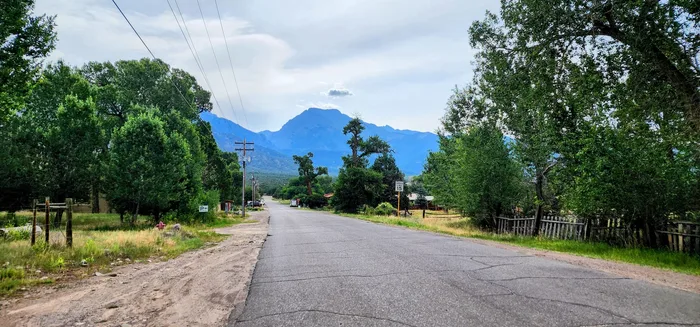
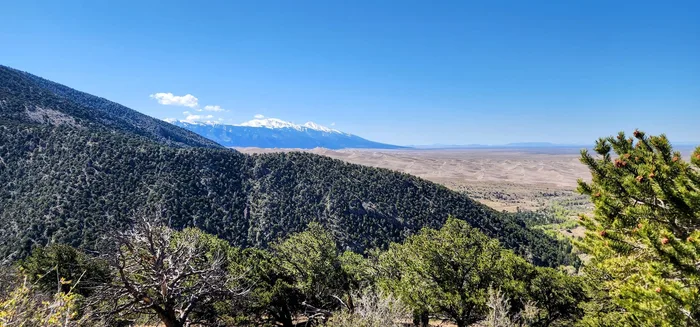
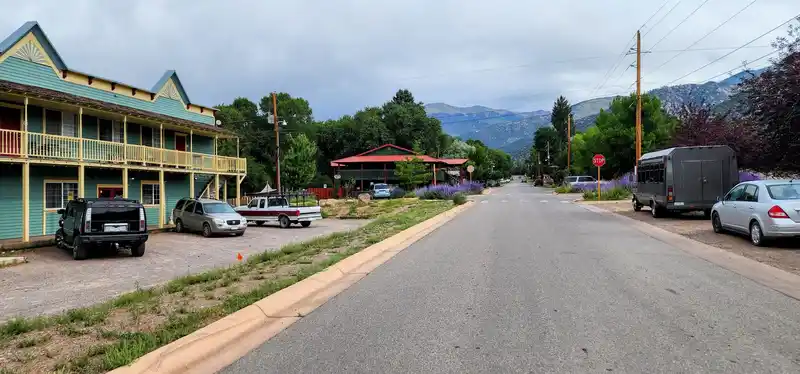
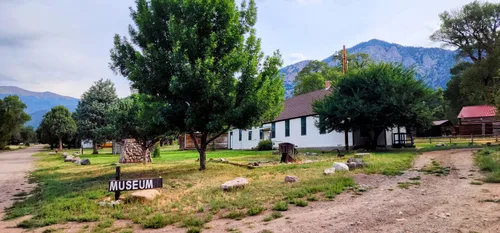
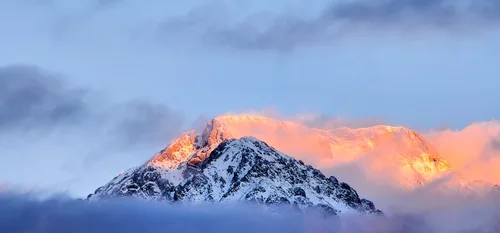
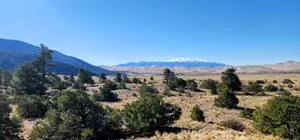
Crestone sits at 7,930 ft in the heart of the San Luis Valley — the largest alpine valley in the world, 122 miles long and 74 miles wide across 8,000 square miles. Located 30 miles north of Great Sand Dunes National Park, surrounded by the Sangre de Cristo mountains.
The Valley logs more UAP reports per capita than almost anywhere in the U.S. The land holds centuries of Indigenous history. The mountains contain ruins that haven't been fully documented. This is where we work.
7,930'
Crestone Elevation
8,000 sq mi
Valley Area
10
Sangre de Cristo 14ers
Sangre de Cristo Fourteeners